
Growing Forward: Turning Southeast Alberta's Agricultural Strength into Opportunity

Growing Forward: Turning Southeast Alberta's Agricultural Strength into Opportunity
Agriculture has always been part of Southeast Alberta's story. The conversation now is about what we need to ensure it remains one of the strongest chapters in our economic future.
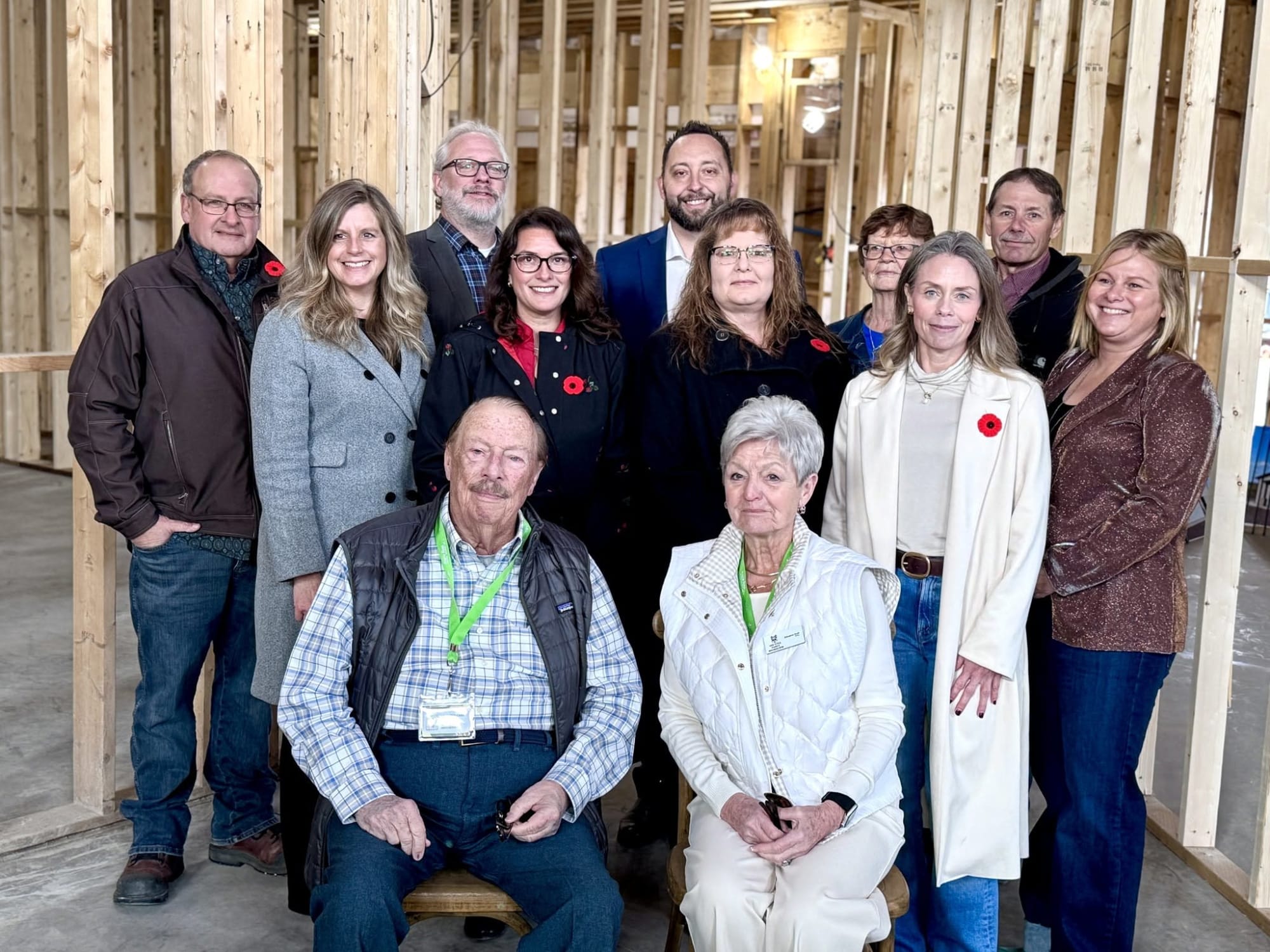
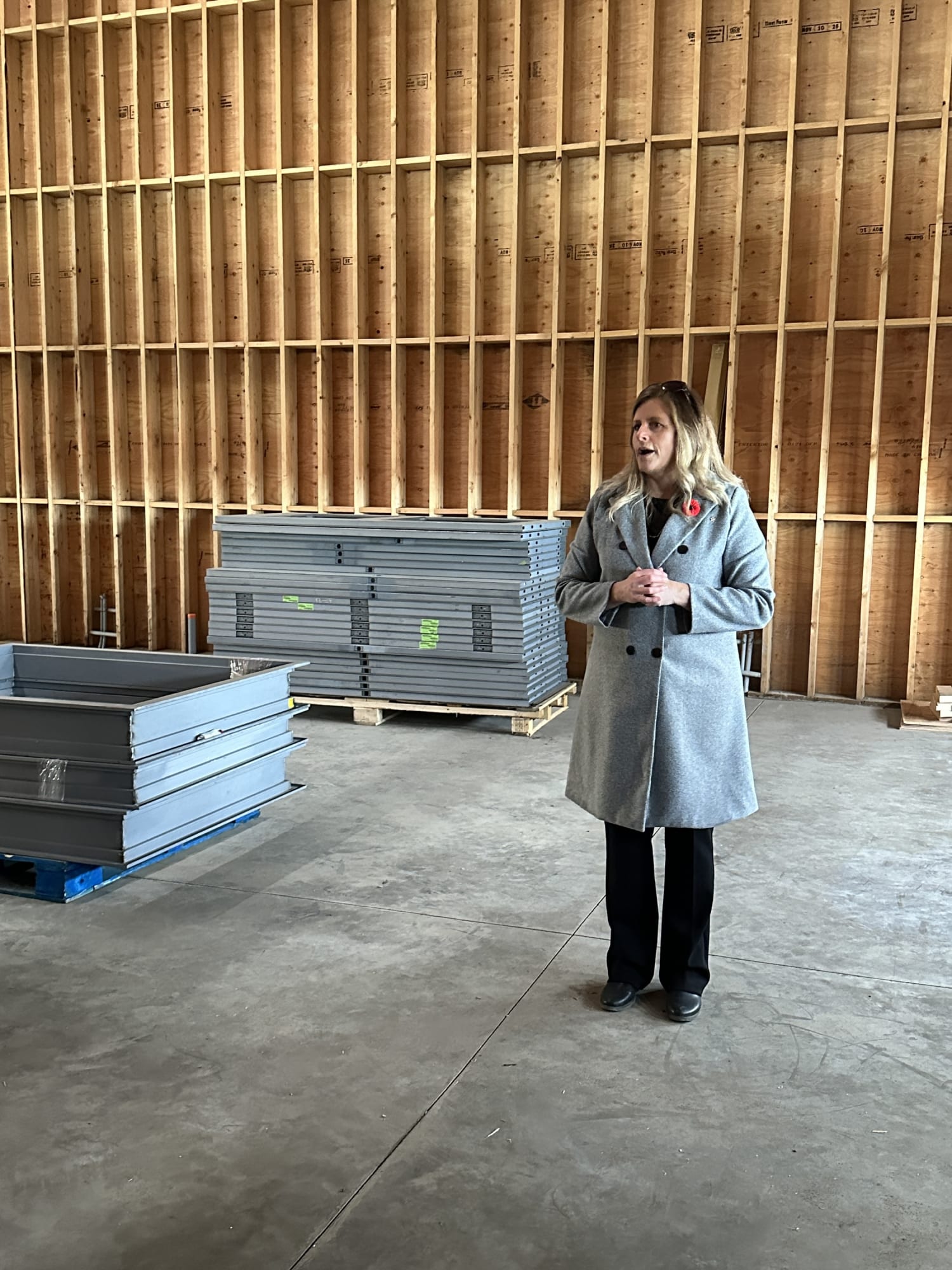
The Southeast Alberta Chamber of Commerce recently brought producers, processors, agricultural businesses and industry organizations together with Alberta's Minister of Agriculture and Irrigation, Tara Sawyer, for a Growing Forward agriculture roundtable. The timing was well-positioned as the Minister joined the Prairie Rose School Division for a special announcement about the Yuill School of Agriculture earlier that morning
The roundtable covered everything from water and risk management to meat processing, interprovincial trade, research, workforce development, agricultural education and technology.
But underneath those individual issues was a remarkably consistent message: the request for the conditions that allow producers and agri-food businesses to manage risk, invest with confidence and remain competitive.
That requires reliable water, effective risk-management tools, sensible regulation, access to markets, skilled people and an environment where innovation can move from an idea into the field.
We emphasized water as economic infrastructure. For Southeast Alberta, irrigation and water storage are not simply agricultural or environmental issues. They are economic development infrastructure. Water determines what can be grown, where processing facilities can locate, how producers manage drought and whether new agricultural investment can move forward.
There is significant work underway. Alberta's partnership with the Canada Infrastructure Bank and nine irrigation districts represents $933 million in irrigation infrastructure and off-stream water storage investment. Of 95 planned projects, 66 have been completed, with projected efficiencies potentially enabling irrigation of another 210,000 acres within existing allocations. Our advocacy is that future water decisions should continue to consider not only water availability, but the economic activity that infrastructure can unlock.
The roundtable also reinforced that Canada still has work to do on internal trade. Agricultural businesses should not encounter unnecessary barriers simply because a product crosses a provincial boundary. At the same time, removing regulatory barriers cannot come at the expense of food safety. That is why the Chamber continues to advocate for risk-based, outcome-focused regulation that maintains strong food-safety standards while removing unnecessary duplication. The Lloydminster Food Trade Pilot demonstrates the type of approach worth exploring further: maintaining strong food-safety standards while finding practical ways to reduce regulatory barriers.
For an agricultural region situated on major highway and rail corridors with proximity to the United States, improved market access is not an abstract policy discussion. It directly affects the growth potential of our producers and processors. Southeast Alberta benefits from Highways 1 and 3, CN and CPKC rail connections and proximity to the U.S. market.
Research and innovation were another important part of the discussion. Southeast Alberta already possesses many of the ingredients needed to become a working laboratory for the future of agriculture: irrigated production, crop diversity, livestock, greenhouse production, processing, agricultural research, drone capabilities and opportunities involving sensors, automation and autonomous systems. The opportunity is to connect those assets. Research only creates economic value when good ideas move beyond reports and demonstrations into commercially viable applications for producers and processors.
That is why the Chamber believes Southeast Alberta can position itself as a testbed for agricultural innovation, connecting farms, irrigation, research, processing, entrepreneurs and emerging technologies.
Technology alone won't determine agriculture's future. People will. Labour shortages, succession and changing skill requirements mean agriculture must compete for talent just like every other industry. We need to change the perception of what an agricultural career looks like. Today's sector requires producers, equipment technicians, agronomists, researchers, software and data specialists, processing workers, entrepreneurs, tradespeople and people capable of operating increasingly sophisticated technology.
The Chamber supports stronger connections between agriculture, Alberta's education system, post-secondary institutions and industry so young people can see those opportunities earlier and obtain meaningful pathways into them. That connection between agricultural literacy and workforce development may ultimately prove just as important as traditional recruitment initiatives. The Irvine Agricultural Discovery Centre and Yuill School of Agriculture of great examples of how this can work.
Perhaps the biggest opportunity coming from the roundtable is to stop looking at these issues individually.
Water enables production.
Risk-management tools give producers confidence to invest.
Research drives productivity.
Sensible regulation allows innovation to reach the market.
Transportation and internal trade provide access to customers.
Education produces the next generation of workers and entrepreneurs.
When those pieces work together, Southeast Alberta's agricultural base becomes much more than primary production. It becomes a platform for processing, technology, investment and export growth.
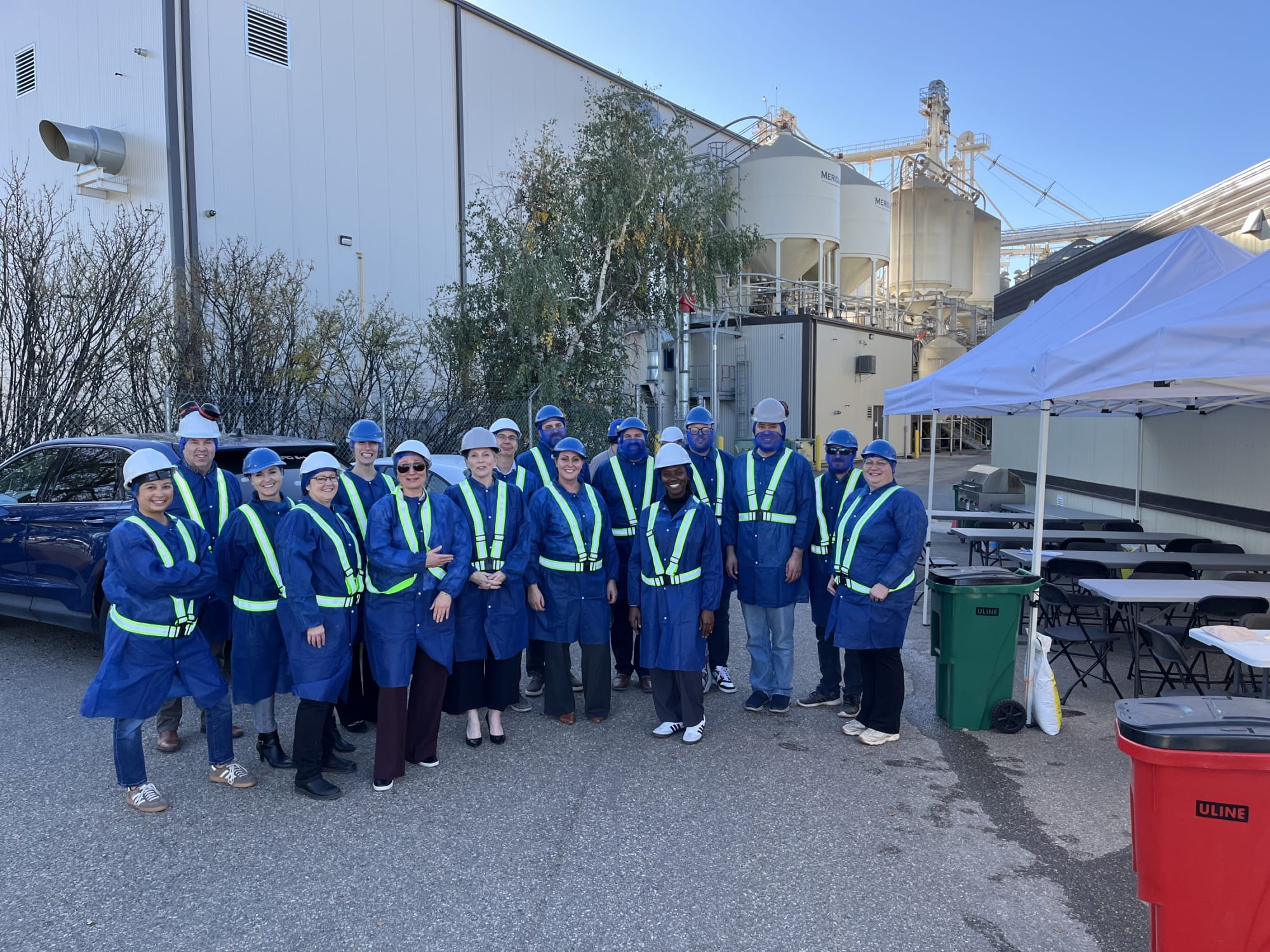
The Province has already identified agriculture investment as an important opportunity. Tara Sawyer highlighted $5 billion in agri-processing investment attracted to Alberta over the past five years, including $430 million in new agricultural investment facilitated by the ministry over the past year. One example is G.S. Dunn's $30 million mustard milling expansion in Bow Island, supported by a $3.1 million Agri-Processing Investment Tax Credit, which our Chamber had the opportunity to tour with other Southeast Alberta Economic Developers on October 22. The expansion is expected to increase raw mustard purchases and provide access to markets in South Korea and Japan. That is exactly the type of value-added growth Southeast Alberta should continue pursuing.
Our region already has the producers, land, irrigation, crops, livestock, transportation connections, research assets and entrepreneurial capacity. The next step is ensuring that policy keeps pace with that opportunity.
For the Southeast Alberta Chamber of Commerce, the message coming out of the roundtable is clear:
Agriculture policy should not simply help our region weather the next challenge. It should give our businesses the tools, infrastructure and environment they need to build what comes next.
Our advocacy going forward
Following the roundtable, the Chamber will continue advocating for:
- More responsive and flexible Business Risk Management programs through the Next Agricultural Policy Framework;
- Long-term irrigation, storage and water infrastructure that enables agricultural and value-added growth;
- Continued progress on interprovincial trade and risk-based agricultural regulation;
- Stronger pathways to commercialize agricultural research and position Southeast Alberta as an agricultural innovation testbed;
- Stronger education-to-career pathways into agriculture and agri-food; and
- Greater agricultural literacy connecting students, educators, producers and industry.
The Chamber welcomes the opportunity to continue working with the Honourable Tara Sawyer, the Government of Alberta and our regional agriculture sector to turn these conversations into practical results for Southeast Alberta.
 |  |  |
 |  |  |